Blog Post
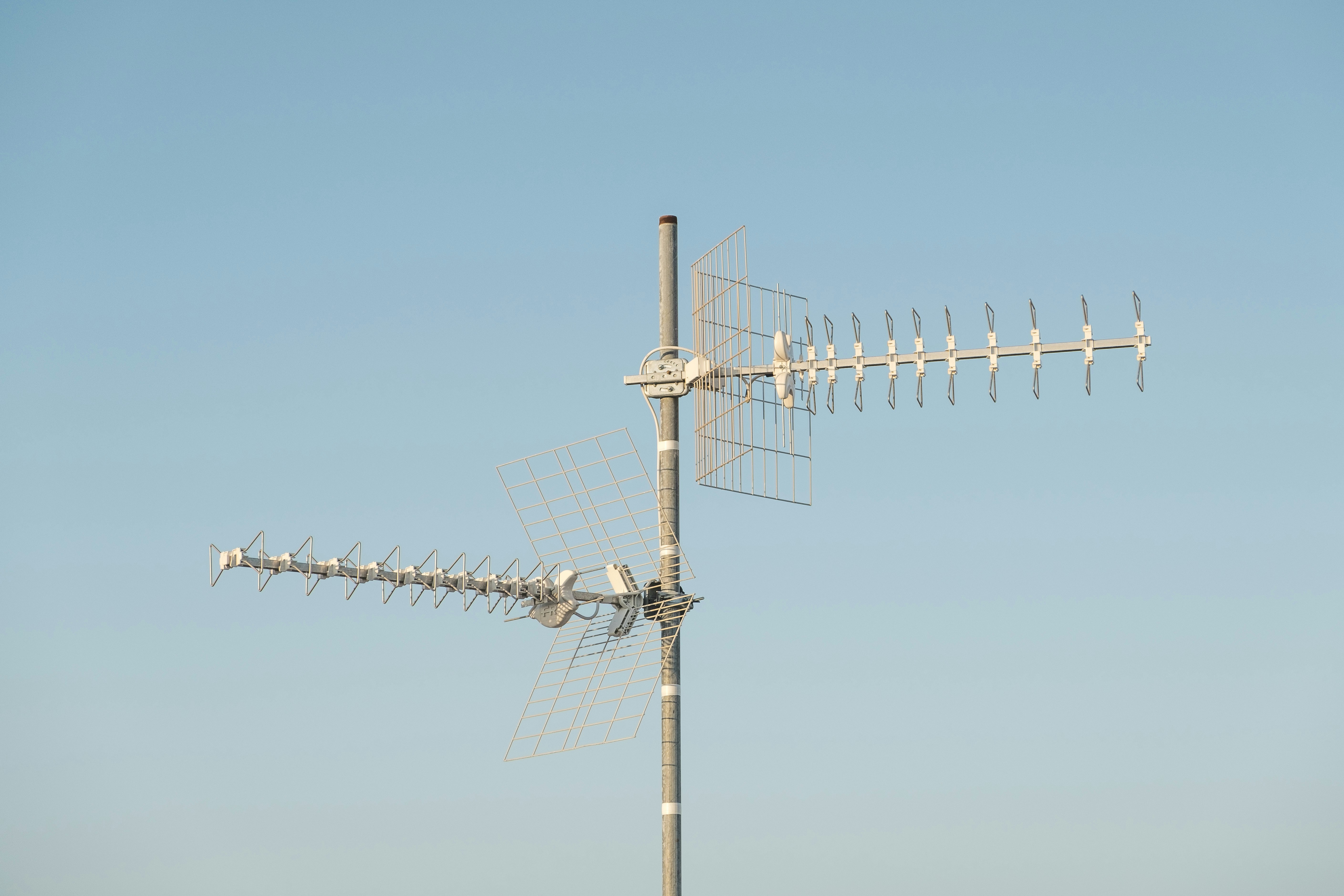
How a Dipole Antenna Generates and Propagates EM Waves
A dipole antenna uses AC current to create oscillating electric and magnetic fields, producing an electromagnetic wave that propagates perpendicular to the antenna's axis, enabling efficient signal transmission across various communication systems.
How Digital Videos Are Turned Into Binary Streams
Digital videos are made by converting each pixel’s color into 8-bit binary numbers. These bits are combined frame by frame to form a continuous binary stream. This process, though simple in concept, is how videos are stored and transmitted across devices, explaining the foundation of modern digital video technology.
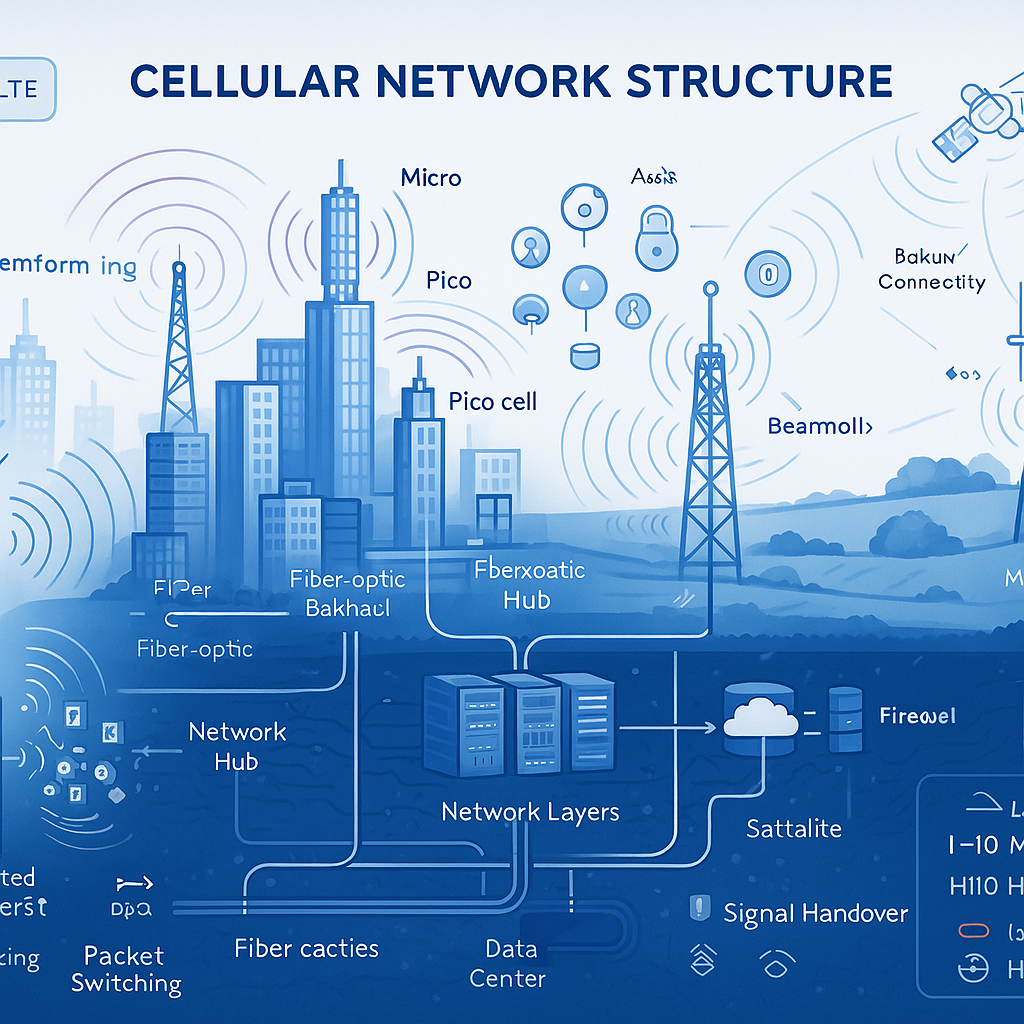
How Mobile Networks Work A Modern Engineering Marvel
Mobile communication relies on radio waves, cellular towers, and core infrastructure to transmit voice and data. Advanced technologies like 5G, VoLTE, and MIMO enhance speed, connectivity, and security, while packet switching and modulation ensure efficient and reliable network performance globally.
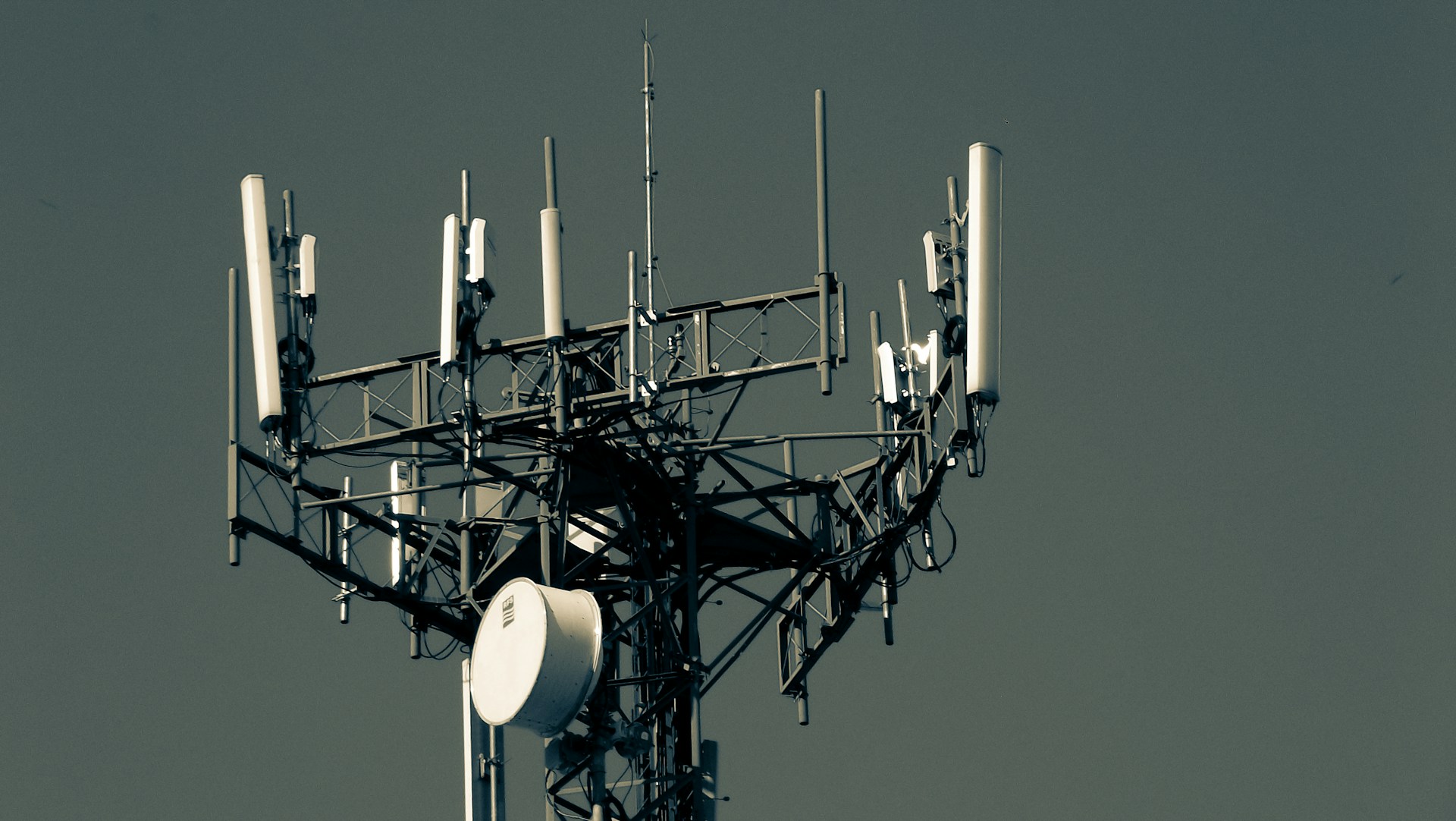
Phone Not Getting Signal? It Might Be a Band Compatibility Issue
Mobile network bands (900MHz,2300MHz) define coverage/speed; TRCSL allocates via auctions. Sri Lankan operators (Dialog,Mobitel,etc.) use varied bands. Lower frequencies offer wider coverage, higher speeds need proximity. Band compatibility crucial for devices; imports may lack local support,affecting connectivity.
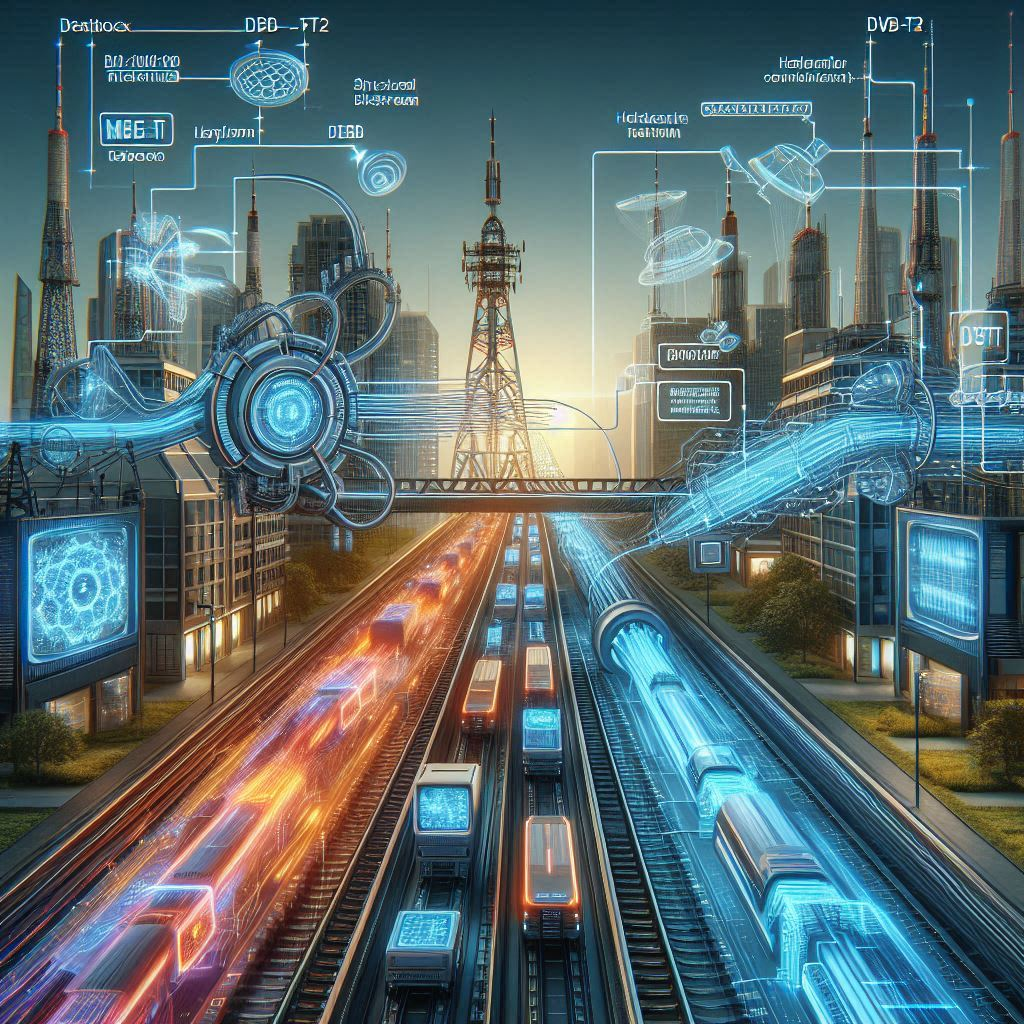
From “Bits” to Visuals – What is a Bitstream? And How Does a Video Become a Bitstream?
Digital TV broadcasts use structured bitstreams split into headers and payloads. Protocols like MPEG-TS and DVB-T2 enable receivers to decode data, ensuring seamless, high-quality viewing via satellite, cable, or terrestrial signals.